Quick Alert
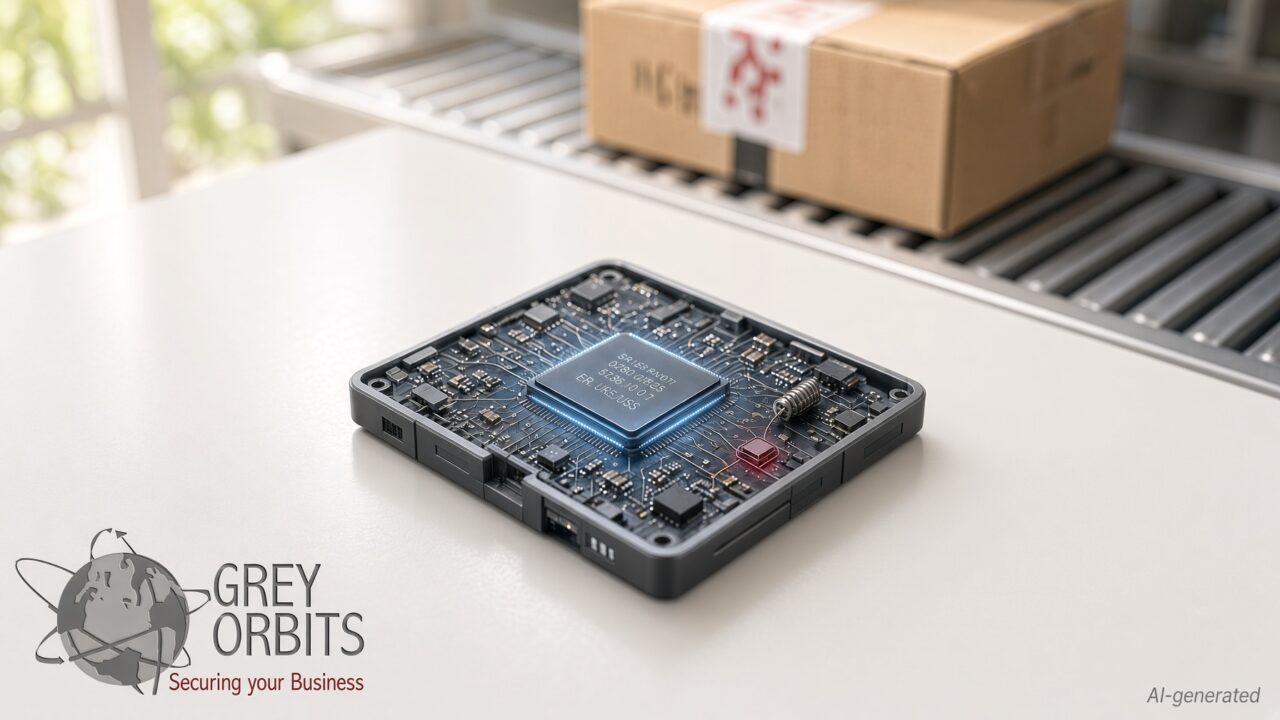
Tampered Ledger crypto hardware wallets, sold through an unauthorised reseller in Southeast Asia, drained their owners’ accounts. Hidden components captured the 24-word recovery phrase during setup and transmitted it to the attackers over a cellular link.
Core Issue
This issue isn’t vendor-specific (in this case, Ledger). Any hardware security device, whether a crypto wallet, HSM, token, YubiKey, or smart card, depends on the physical integrity of the unit in your hand.
Supply chain tampering is a blind spot across the industry. In my view, the gap is in standards, not the technology.
Current certification regimes, from FIPS 140-3 to Common Criteria, certify the design, not every unit on the shelf. Device attestation signs the secure element, not the surrounding board or the chain of custody. An unauthorised implant sits outside the certified boundary. Ledger’s own response [1] confirms this: the chip, operating system, and servers were not compromised; the attack targeted their downstream distribution channel.
How this may be fixed
1. Extend attestation to a verifiable Hardware Bill of Materials, with a consumer-facing verifier that runs before setup.
2. Replace holograms with cryptographic tamper-evident packaging, readable by a phone before the box is opened.
3. Treat authorised resellers as regulated intermediaries, with chain-of-custody logs, audits, and liability that follows the device.
Liability, the economic lever
Liability is the economic lever that drives supply chain discipline. Check the argument I made in my Framework for Cyber Insurance [2], where residual risk and vendor liability allocation sit at the heart of the model.
If you are affected
If you bought a crypto hardware wallet from a reseller not on the vendor’s authorised list [3], do not set it up. Contact the vendor’s support team, obtain a replacement directly from the vendor, carefully inspect the packaging and tamper evidence, generate a new recovery phrase, and move your assets over.
Sources
- Ledger’s response to the hardware implant attack
- Grey Orbits Framework for Cyber Insurance
- Ledger’s authorised resellers (global)
About the Author
Viren Mantri is the founder of Grey Orbits in Singapore, Senior Instructor at Quantum Academy, and Executive Faculty at Singapore Management University Executive Development. Three decades across Standard Chartered, SC Ventures, UBS, McAfee, and KPMG inform his advisory work on AI, digital currencies, and quantum readiness. He authored the PETALS™ Framework for AI Governance, the Cybersecurity Model for Startups, and the Framework for Cyber Insurance.
© 2026 Viren Mantri, Grey Orbits. Licensed under a Creative Commons Attribution 4.0 International License.
Disclaimer: All views expressed here are entirely mine.